

The global online lottery market continues to grow. According to external data, it was valued at $11.5 billion in 2024 and is expected to reach $18.16 billion by 2033. But here’s the thing—while the market keeps expanding, its growth rate has shown signs of slowing in recent years, and forecasts suggest this trend will continue—exhibiting a CAGR of 5.16% from 2025 to 2033.
We’ve already discussed the importance of engaging younger generations and making online lotteries their choice today and in the future. However, drawing on my experience in the far more competitive iGaming world, what are the next steps to growth? How can lotteries attract and, more importantly, keep players? My answer is personalization. Today, I want to explore the role it will play in shaping the future of online lotteries.
Why Personalization Matters at Every Stage
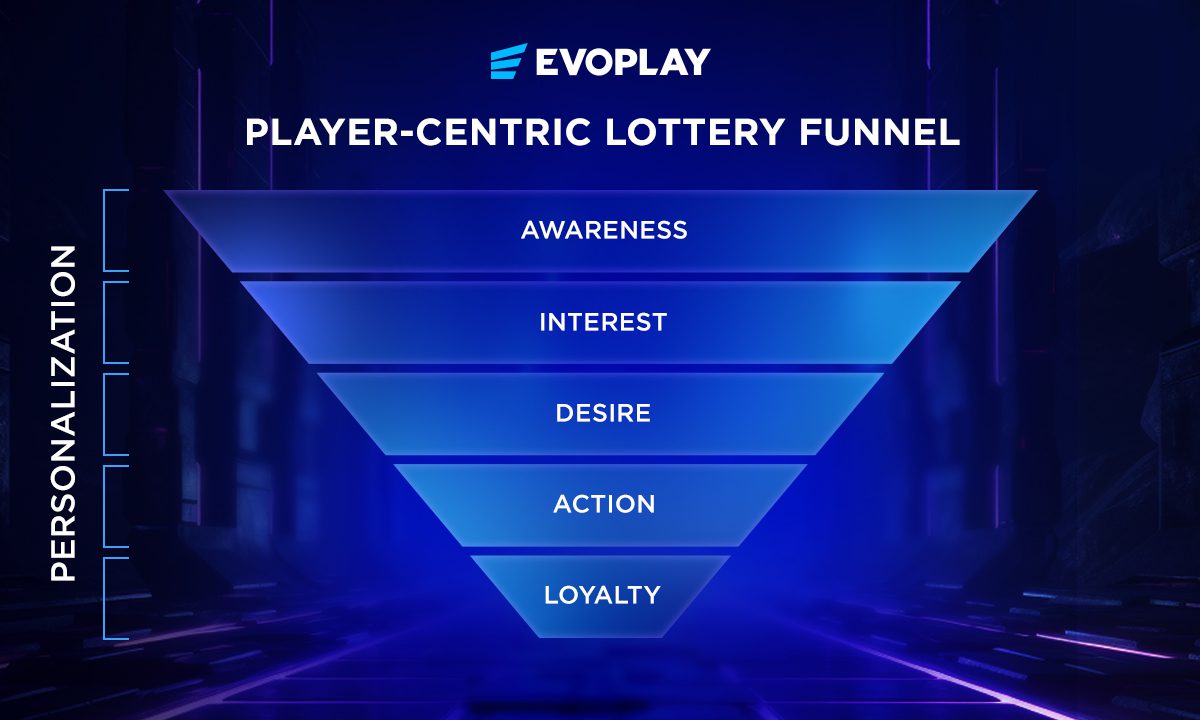
Moving online was a big step toward securing a stronger future for lotteries. Europe currently leads the market, holding over 39.5% of it in 2024. A major growth driver? The rising awareness of lottery platforms—tying into the first stage of the marketing funnel.
To clarify, unlike sales funnels, where success means selling a ticket, marketing funnels aim for something bigger—long-term brand loyalty. As providers, we contribute to this by focusing on creating lottery games designed to resonate with today’s and future players. We also help our business partners see the value in offering Evoplay’s games.
But strong content and promotional tools alone aren’t enough. Effective personalization requires deeper involvement from lottery platforms. Helping players discover games they truly enjoy—without overwhelming them with endless choices—is important to keep them engaged. Yet, lotteries still lag far behind casinos and betting platforms in using personalization to drive player retention.
Personalization must rely on automated systems, AI, and technologies to analyze player preferences and deliver relevant content. Done right, it sparks players’ interest, builds their desire to play, and aligns with the next stages of the marketing funnel. The decision to play becomes a natural and engaging experience when every stage is driven by personalization.
Understanding Player Differences as a Path to Better Personalization
Personalization should go beyond gameplay—it needs to be part of every stage of player interaction, from the first touchpoint to post-game engagement. While analyzing in-game behavior is important, it’s equally critical to consider broader engagement patterns, including when and why players choose to play in the first place. Here are some key differences I want to explore:
- Why They Play: iGamers seek excitement, instant rewards, and immersive gameplay, while lottery players dream of big jackpots. But can iGamers dream of winning big, and can lottery players play just for fun? Of course. These differences in motivations show how much easier it is to engage each group, with personalization as a powerful tool.
- How They Engage: iGamers play frequently and explore a variety of content, while lottery players participate periodically, often choosing familiar lotteries with the biggest jackpots, or games with frequent winners. By offering personalized content that isn’t annoying, like timely reminders or jackpot alerts, players stay engaged.
- How They Stay Interested: To drive engagement, iGaming platforms use promotions like tournaments, loyalty programs, and exclusive bonuses. Lotteries, on the other hand, can boost retention with subscription models, personalized number suggestions, and milestone-based rewards.
- How They Adapt: iGaming has long used personalization, including AI-driven tools, while many online lotteries haven’t fully adopted them yet. However, to stay competitive, lotteries must invest in modern technologies as soon as possible, since implementation takes time.
- Which Design They Prefer: iGamers enjoy many games with different themes, modern UX/UI, and smooth animations, while lottery players have fewer options and old-fashioned designs. This is where Evoplay has great potential to show how modern themes and animations—as seen in our Adrenaline Rush racing game and Penalty Shoot-Out instant game—make a difference.
Different player motivations show that personalized games aren’t enough to overcome challenges in iLotteries. I think the solution is to prepare lottery platforms to embrace AI-driven innovations and other modern technologies. Thanks to close collaboration between providers and operators, the industry can be changed for a successful future.